Celebrate Safer Internet Day all month with 25% off! Use code SAFER25

How Does Porn Affect Relationships? Impact on Trust & Intimacy

Table of Contents
Protect those you love from pornography
Claim your 20% off!
Use code: SAVE20
Key Takeaways
  • Frequency of use, communication between partners, and individual values determine how porn affects relationships.
  • No matter how high porn consumption is, mounting evidence suggests that its regularity correlates with decreased relationship satisfaction, reduced intimacy, increased conflict, and erosion of trust.
  • Emotional withdrawal, secrecy, shame, emotional closeness, miscommunication issues, and steady distancing are the most common indicators of the negative effects of pornography on relationships.
  • Being honest about the real state of things, open to communication, and proactive in reducing porn consumption can improve the situation significantly.
  • Blocking porn with software like Canopy helps couples on the way to rebuilding intimacy and eliminating negative triggers.

Understanding what does porn do to the brain starts with understanding how the brain’s reward system works. Pornography triggers powerful neurochemical responses that can reshape how your brain processes pleasure, motivation, and everyday experiences. This guide explains the science behind how porn affects the brain, what happens with frequent use, and whether recovery is possible.

How the Brain’s Reward System Works

Before diving into how does porn affect the brain, let’s see the brain’s reward circuitry. It includes the dopamine spike, fueled by novelty, anticipation, and the fact that the brain is never fully used to it.

Dopamine is a key reason why people watch porn. It’s often called the “pleasure hormone,” but that’s misleading. Dopamine is actually the brain’s motivation and learning chemical. It signals “this is important — pay attention and remember this.” When you encounter something rewarding, your brain releases dopamine to reinforce the behavior and motivate you to seek it again.

Novelty is another thing what does porn do to the brain, as it responds strongly to new, unexpected, or surprising stimuli. They trigger larger dopamine releases than familiar ones. This makes evolutionary sense: discovering new resources increased survival chances.

Anticipation amplifies this effect and fuels why do people watch porn. When you expect something good but don’t know exactly when you’ll get it (like scrolling through content), dopamine spikes higher than if the reward were predictable. This creates a powerful loop: seek, find, spike, seek again.

Never enough is the critical part: the brain never fully adapts to novelty. While you might get bored with the same meal, introducing endless new options keeps dopamine firing. This is why buffet restaurants and endless-scroll platforms are so engaging — they exploit the brain’s sensitivity to variety.

How Porn Affects Dopamine and Reward Pathways

Study after study suggests porn is like a drug, dialing into your reward pathways and releasing chemicals like oxytocin and dopamine into your brain. Since neurochemical systems are mainly affected by porn-triggered dopamine and reward pathways, let’s explore what does porn do to your brain in this regard.

Research suggests pornography can trigger dopamine releases that rival or exceed those from natural rewards like food or social connection. Why? Because porn combines multiple dopamine triggers simultaneously: visual novelty with every click, sexual stimulation (one of the brain’s most powerful reward systems), anticipation during searching, and instant accessibility with no effort or social risk.

But is porn bad for your brain because of that? Well, unlike real-world sexual experiences requiring social skills and vulnerability, porn delivers intense stimulation immediately and endlessly. This creates an artificially amplified reward signal the brain wasn’t designed to process regularly.

This is why many people report spending far longer viewing porn than intended. The brain keeps seeking “just one more” in pursuit of that perfect dopamine hit, creating what researchers call a “seeking loop.”

With time, neural pathways associated with porn use strengthen. The question is watching porn normal is no longer there: the baseline for “exciting” shifts upward, making everyday pleasures less satisfying by comparison.

This brings us to desensitization, which explains is watching porn bad for you. When the brain is repeatedly flooded with artificially high dopamine levels, it compensates by reducing dopamine receptors (fewer receptors mean less sensitivity), lowering baseline dopamine production, and increasing the threshold for arousal.

That’s how regular porn watching builds dopamine and reward pathways that lead to desensitization. That’s why frequent porn users often experience effects of porn on the brain as needing “more extreme” content over time to feel the same arousal they once experienced with less intense material. It’s neurobiology, as the brain is adapting to its environment.

What Happens With Frequent Porn Use Over Time

Reduced sensitivity to pleasure, changes in motivation and focus, and habit formation are what happens with regular, long-term use and why is porn bad for your brain.

1. Reduced Sensitivity to Pleasure

One of the most frequently reported effects of porn on the brain is anhedonia — reduced ability to feel pleasure from everyday activities. When your brain becomes accustomed to intense dopamine spikes from porn, normal pleasures start feeling flat by comparison.

This dopamine tolerance is why understanding how to stop watching porn is so hard. It creates a negative feedback loop: as everyday pleasures feel less satisfying, the pull toward porn becomes stronger. Many people describe feeling like they’re “going through the motions” in daily life while porn becomes increasingly central to their sense of reward.

2. Changes in Motivation and Focus

Does watching porn affect your brain‘s ability to stay motivated? Research suggests yes, particularly with frequent use. When dopamine pathways become dysregulated from repeated high-intensity stimulation, tasks requiring sustained effort feel more difficult and less rewarding. The brain has been trained to prefer immediate, high-intensity rewards over delayed, effort-based ones.

The rapid-fire novelty of porn can condition the brain for constant stimulation. Focusing on single tasks for extended periods becomes harder. Some users report difficulty concentrating on books, conversations, or work without seeking distraction. Also, porn in relationships becomes a problem,

3. Habit Formation and Compulsive Patterns

The brain learns through repetition. Every time you follow the pattern — feel stressed, watch porn, feel relief — you’re strengthening a neural pathway. This is the cue, craving, reward loop that drives habit formation.

Over time, this loop becomes automatic. The cue immediately activates the craving, and before you’re consciously aware of deciding, you’re already reaching for your device. This is why is watching porn bad for some people — you’re working against ingrained neural patterns that make stopping harder than expected. 

For some, porn use progresses beyond habit into compulsive territory, when understanding how to block porn becomes the only way out of a vicious cycle.  

When Porn Addiction Becomes Destructive

Pornography addiction becomes destructive when it impairs psychological well-being, relationships, work performance, and overall quality of life, with recent research establishing strong associations between problematic pornography use (PPU) and mental health crises. Let’s see the exact destructive effects of pornography on the brain, including emotional regulation and well-being.

Porn, the Brain, and Emotional Regulation

One of the less-discussed arguments how bad is porn for your brain refer to emotional regulation — how we process and manage our emotions.

Many people initially turn to porn for stress relief, and it can work short-term. The problem emerges when porn becomes the primary stress management tool. Instead of developing a range of coping strategies, the brain learns a single shortcut: feel bad, watch porn, feel better (temporarily).

This creates stress dependency, where the brain struggles to regulate difficult emotions without porn. Minor frustrations that most people navigate with resilience become triggers for compulsive porn use because the brain hasn’t developed alternatives to porn-related coping pathways.
Porn and Mental Health: Depression, Anxiety, and Quality of Life

Beyond specific neurological effects of porn on brain function, there’s a broader question: is watching porn bad for you overall, considering mental health and well-being?

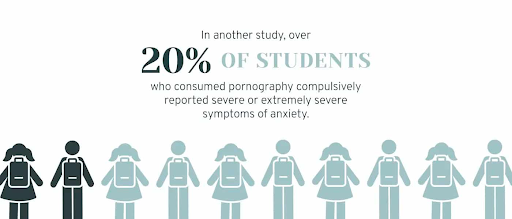
Research has found associations between frequent porn use and several concerns. Studies show correlations between heavy porn use and higher rates of depression and lower relationship and sexual satisfaction. When porn use becomes compulsive, it can displace activities that genuinely contribute to well-being — social connection, exercise, hobbies, sleep.

For many, the most damaging aspect isn’t the porn itself but the shame, guilt, and secrecy surrounding it. Living a double life and feeling unable to stop despite wanting to can be psychologically devastating.

How Porn Affects the Developing Brain (Kids & Teens)

Children and adolescents are highly vulnerable, so it’s important to understand how does porn affect the brain for them. Their dopamine system is highly active, which is why teenagers are naturally more risk-taking and sensation-seeking. This makes porn particularly powerful for young brains. 

Being more impulsive, more reward-seeking, and less able to weigh long-term consequences, teens watching porn and children watching porn are especially responsive to porn-related novelty and reward. What might be moderately engaging for an adult brain can be overwhelmingly compelling for an adolescent one.

Beyond the neurochemical effects of pornography on the brain, porn exposure during developmental years can shape beliefs and expectations about sexuality, relationships, and bodies in ways that don’t match reality. Young people whose primary sexual education comes from pornography may develop distorted expectations about sexual performance, body image issues, a confused understanding of consent and boundaries, and difficulty with real relationships.

If you encounter this problem, your goal isn’t to shame young people or catastrophize porn exposure. Acknowledge that developing brains are more vulnerable and that early education, open conversations, and appropriate boundaries can make a significant difference.

Porn, Neuroplasticity, and Rewiring the Brain

Neuroplasticity is why we can learn new skills and adapt to changing environments. Every repeated behavior physically changes the brain by strengthening some neural connections and weakening others. Practice strengthens pathways, disuse weakens them, and the brain prioritizes efficiency

But how does porn affect the brain’s neuroplasticity? If you repeatedly watch porn while stressed, your brain wires “stress” and “porn” together. Eventually, stress itself becomes a trigger that automatically activates the craving for porn. These wired associations explain why breaking compulsive porn habits can feel so difficult — but why anyone can quit, too.

Can the Brain Recover After Reducing or Stopping Porn?

Here’s the hopeful part: neuroplasticity works in both directions. Just as the brain can wire itself toward porn dependency, it can also rewire itself away from it. When you stop or significantly reduce porn use, you stop what does porn do to the brain: old pathways weaken through disuse, new pathways strengthen as you practice alternatives, and dopamine sensitivity recovers.

When you stop flooding your brain with artificially high dopamine spikes, the reward system gradually recalibrates. Dopamine receptors that were downregulated during frequent porn use can increase in number and sensitivity. This process is sometimes called a “dopamine reset.” As receptor density increases, natural rewards start feeling satisfying again.

How long does it take to reverse the negative effects of porn on brain? Well, the timeline varies widely. Some people report noticeable improvements within weeks. For others, particularly those with years of heavy use, it may take months. But the consistent pattern is: with sustained abstinence or significant reduction, dopamine sensitivity improves.

As the brain recovers from constant novelty-seeking and instant gratification, many people report improvements in attention span, motivation for effort-based rewards, and mental clarity.

Why Awareness and Boundaries Matter (Especially for Families)

Understanding what does porn do to the brain isn’t about creating fear or shame — it’s about informed decision-making and protecting developing minds.

Research consistently shows that shame is counterproductive. It doesn’t prevent problematic behavior; it drives it underground. The most effective approach is open, shame-free awareness. Understanding how the brain responds to porn helps people make informed choices.

Particularly for Internet safety for kids and adolescents, this means creating environments where children can ask questions and talk about what they encounter online without fear of punishment. This doesn’t mean panic or over-restriction, but thoughtful, age-appropriate limits like filters and monitoring tools, device-free zones and times, and ongoing conversations. Kids who feel safe discussing porn exposure are more likely to come to parents early rather than develop hidden compulsive patterns.

Understanding how porn affects the brain is the first step. The next step is creating an environment that supports healthy brain development for your whole family. 

The most effective approach for families should combine:

  • Appropriate education: Age-appropriate conversations about brain science and healthy relationships
  • Clear boundaries: Reasonable limits on access to harmful content
  • Modeling: Adults being honest about their own digital habits
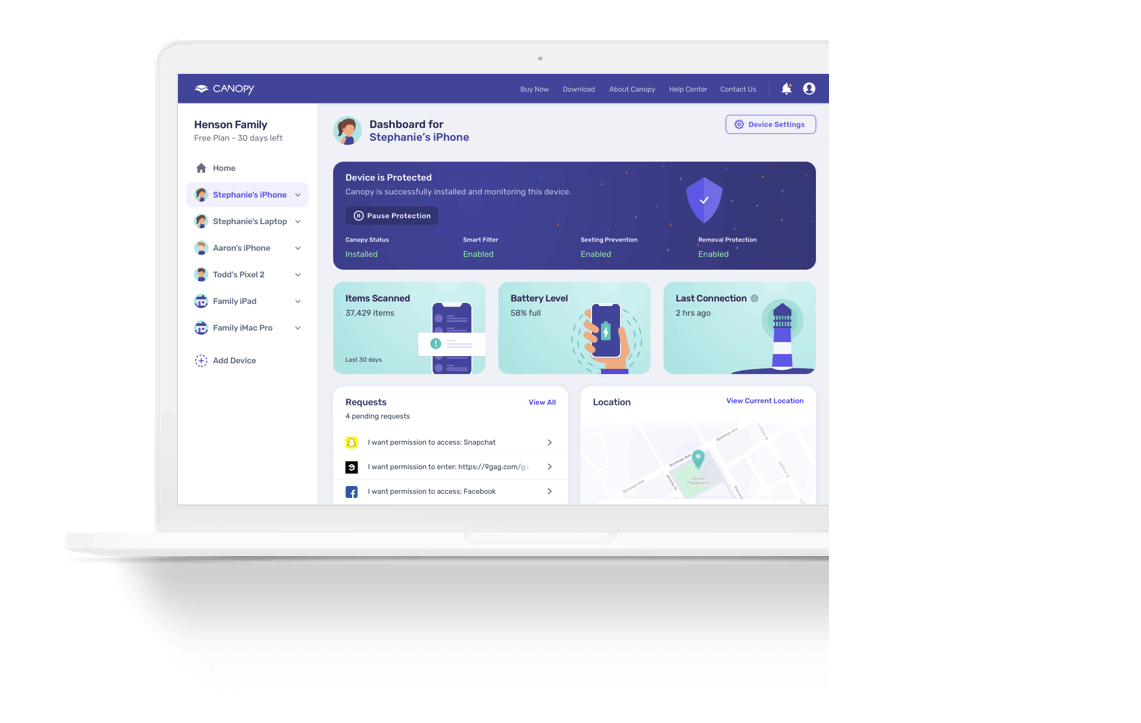
  • Tools: Filters and accountability systems like Canopy porn blocker.

Canopy provides comprehensive content filtering, real-time monitoring, and accountability tools that work across devices and platforms — giving you peace of mind while respecting growing independence. Try it to protect your brain and mental well-being!

What Does Porn Do to the brain and other FAQs

Few topics generate more confusion and conflict in modern relationships than pornography. Whether you’ve discovered your partner watching porn, you’re struggling with your own use, or you’re simply wondering if occasional viewing is harmful, you’re not alone.

So, how does porn affect relationships? The answer isn’t simple. Pornography’s impact may vary based on frequency of use, communication between partners, individual values, and whether use becomes compulsive. However, mounting evidence suggests that regular porn consumption correlates with decreased relationship satisfaction, reduced intimacy, increased conflict, and erosion of trust. 

This guide examines the emotional, psychological, and relational effects of pornography on partnerships. You’ll learn why porn changes brain chemistry in ways that make real intimacy less satisfying, how secrecy breeds disconnection, what happens when expectations become distorted, and (most importantly!) how to protect your relationship.

Why Do People Turn to Pornography?

Before examining how porn ruins relationships, it’s important to understand why people use it. Often, pornography use isn’t always about sex but about emotional regulation, stress relief, or filling unmet needs:

Stress and escape: The key reason why people watch porn is that it provides a quick dopamine hit, which temporarily relieves anxiety, boredom, or emotional discomfort. It becomes a coping mechanism rather than addressing underlying issues.

Curiosity and arousal: Pornography seems like a harmless way to explore sexuality, especially for teens watching porn. The accessibility and variety create excitement, and that’s how porn is ruining relationships in real life among teens in the future.

Relationship dissatisfaction: When emotional or physical intimacy in a couple wanes, it may become a reason to start watching porn in a relationship. As it’s easier than addressing the disconnect, porn in relationships creates a cycle where it further damages the intimacy they’re missing.

Habit and conditioning: For many, porn use started in adolescence and became deeply ingrained. The habit makes it hard to understand how to stop watching porn, as it persists and becomes automatic with neural pathways formed during formative years.

Accessibility and normalization: Today’s adults grew up with unlimited internet porn, not even wondering is porn bad. Cultural normalization makes it seem like “everyone does it,” reducing perceived risks of how porn ruins relationships.

Understanding these motivations helps explain why porn in a relationship isn’t always about attraction to one’s partner and how to address this issue in your couple.

Emotional Effects of Porn in Relationships

The emotional toll of pornography often appears before any obvious behavioral changes. Partners report feeling disconnected, dismissed, and emotionally abandoned even when the porn user insists “it doesn’t mean anything.”

Let’s see how porn affects relationships emotionally.

Emotional Withdrawal

Here is what porn does to the brain: regular users often become emotionally unavailable to their partners as pornography activates reward centers in the brain similarly to addictive substances. Over time, users may seek the easy emotional regulation porn provides rather than doing the harder work of genuine intimacy.

So, is it bad to watch porn in a relationship? See what this withdrawal manifests to decide:

  • Preferring solo screen time over quality time together
  • Reduced interest in emotional conversations
  • Seeming distracted or mentally absent
  • Decreased empathy and emotional responsiveness

Partners often describe feeling like they’re competing with a screen, and losing to it over and over.

Secrecy and Shame

Even in relationships where porn use isn’t explicitly forbidden, secrecy almost always develops. Users hide their viewing history, lie about frequency, or become defensive when questioned. This secrecy creates emotional distance regardless of the content being viewed, and that’s how porn is ruining relationships.

The shame cycle works like this:

A person is watching porn in a relationship → feels guilty → hides the behavior → shame intensifies → uses porn again to escape uncomfortable feelings → cycle repeats.

Partners who discover secret porn use often feel betrayed not just by the pornography itself, but by the lying about it. The secrecy signals that something more valuable than the relationship is being protected.

Reduced Emotional Availability

Porn in a relationship trains the brain to associate arousal with solo activity and screens rather than relational connection. Over time, this conditioning makes it harder to be emotionally present during intimate moments with a real partner.

Users may find themselves:

  • Needing to fantasize about porn during intimacy
  • Feeling emotionally numb or disconnected
  • Struggling to experience authentic vulnerability
  • Preferring the predictability of porn over emotional complexity

How does porn affect relationships then? Frequently, this emotional unavailability leaves partners feeling lonely, rejected, and questioning their worth.

Porn and Intimacy: Why Connection Suffers

Understanding how does porn ruin relationships through brain work helps explain why even “moderate” use can damage intimacy. The neurological changes are measurable alterations in brain chemistry and reward processing.

Dopamine vs. Bonding Hormones

Sexual activity releases different neurochemicals depending on context. Real intimacy releases oxytocin (the bonding hormone) alongside dopamine (the reward chemical). This combination creates emotional connection alongside physical pleasure.

Pornography triggers massive dopamine spikes without the oxytocin, which is a severe reason to question is watching porn normal. The brain learns to associate peak arousal with solo activity, screens, and novelty rather than emotional connection and the particular person you love.

Over time, this rewires sexual response, making one of the partners wonder does porn ruin relationships. A real partner feels so unsafe because real relationships cannot replicate the constant  intensity, variety, and novelty that the brain of a porn user begins to “expect.” Researchers call it the “Coolidge effect,” meaning the tendency for sexual interest to rekindle when novel scenarios are introduced. 

Porn-Conditioned Arousal Patterns

Repeated porn use creates conditioned arousal responses that don’t translate to real relationships. Users may:

  • Require increasingly extreme content to become aroused
  • Experience erectile dysfunction with real partners
  • Need specific visual stimuli to feel desire
  • Struggle with arousal with partners but not with screens

These neurological changes make authentic intimacy progressively harder, making it hard to draw a clear line on is porn bad for relationships or not.

How Porn Can Change Expectations in a Relationship

Pornography isn’t reality, yet regular exposure shapes what users expect from real sexual relationships. These distorted expectations create pressure, disappointment, and conflict.

Body Image Distortion

Porn overwhelmingly features atypical bodies: cosmetic surgery, specific body types, professional lighting, and careful camera angles. Regular exposure normalizes these manufactured standards, making porn and relationships with real people hard to combine.

Both porn users and their partners suffer:

  • For porn users: Real partners’ bodies may seem less arousing compared to carefully curated images.
  • For their partners: Knowing your partner regularly views idealized bodies creates insecurity and feelings of inadequacy. 

Based on the is watching porn cheating guide, research shows that men who regularly consume pornography rate their partners as less attractive and report lower sexual satisfaction. This is how porn ruins relationships.

Performance Pressure

Another way how does porn affect relationships is that it depicts encounters that are choreographed, edited, and performed by professionals. These scenarios bear little resemblance to real intimacy, yet repeated viewing creates implicit expectations.

This manifests as:

  • Expecting partners to perform acts they’re uncomfortable with
  • Assuming all sex should be intense or performance-oriented
  • Believing “good sex” matches what appears on screen
  • Feeling disappointed when real encounters involve normal human awkwardness

Watching porn in a relationship often creates pressure (articulated or passive) to imitate porn, viewing sex as performance rather than connection.

Unrealistic Sexual Scripts

Pornography follows predictable (yet unrealistic) scripts:

  • Instant arousal without emotional context
  • No discussion of boundaries or consent
  • Aggressive behaviors presented as normal
  • Women’s pleasure depicted as secondary
  • No acknowledgment of real bodies or emotions

When these scripts become someone’s primary sexual education, they create fundamentally broken templates for relationships.

How Does Porn Ruin Relationships?

When partners develop distorted standards for bodies, performance, and sexual scripts, the gap between expectation and reality creates perpetual disappointment. Neither partner can measure up to fantasy, leading to decreased satisfaction, increased criticism, and progressive disconnection.

Trust Issues Caused by Porn Use

Porn and trust issues are closely intertwined: even when porn use doesn’t involve contact with other people, it frequently damages trust. Porn use involves directing sexual energy toward others in ways that many partners experience as exclusionary and hurtful — more on this below.

Secrecy Erodes Trust

Porn in a relationship almost always involves secrecy. Users clear browsing history, hide apps, lie about activities, or become defensive. This pattern of deception breaks down trust.

Partners often say: “I’m not upset about the porn itself. I’m upset that you lied.” The discovery forces partners to question: What else are they hiding?

Once trust is broken, rebuilding requires sustained honesty, transparency, and changed behavior. It also requires questioning is it bad to watch porn in a relationship, which many porn users resist.

Broken Boundaries

For many partners, inclusivity in a couple is a boundary. They may tolerate porn in a relationship, but under strict conditions: only when apart, only certain content, or complete abstinence. 

When users violate these agreements (and it happens sooner or later, due to the addictive nature of porn), they communicate that their short-term gratification matters more than their partner’s emotional safety.

Different Definitions of “Cheating”

Pornography creates gray areas around fidelity. Some people don’t view watching porn as cheating; others keep attacking their partners with arguments about how porn ruins relationships. Neither perspective is inherently wrong, but the mismatch creates conflict.

Is Porn Always Harmful in Relationships?

Not every relationship experiences porn as harmful, and the real dynamic between different couples shows variation in outcomes based on several factors.

Different Couples, Different Boundaries

Even though porn and relationships are hard to combine, some couples maintain that completely transparent, mutually agreed-upon, occasional porn use doesn’t harm their relationship. 

You can avoid the common ways how does porn affect relationships if:

  • Both partners genuinely hold the same values (not one pressuring the other)
  • Use is infrequent and doesn’t replace couple intimacy
  • Complete transparency exists
  • Neither partner experiences distress
  • The content doesn’t involve increasingly extreme material

Consent and Communication Matter

When judging is porn bad for relationships, it’s crucial to distinguish between authentic mutual agreement and coerced acceptance. Many partners initially say they’re “fine with it” because they fear seeming prudish or believe objecting will end the relationship.

If it reminds you of your scenario, remember that porn is ruining relationships when there is no consent and open communication. When one partner feels pressured or discovers it through secrecy, harm follows.

Why do problems often arise anyway?

Even when both partners initially agree that porn is acceptable, problems frequently develop:

  • Escalation: What starts as occasional use often increases in frequency and intensity.


  • Changed dynamics: Partners who initially felt comfortable may later feel differently as they observe porn’s effects on intimacy and connection.


  • Unintended consequences: Even when both partners consent, neurological effects like decreased satisfaction, conditioned arousal patterns, emotional withdrawal often emerge regardless.

Research on porn and relationships consistently shows that higher porn consumption correlates with lower relationship satisfaction, even in couples who report no moral objections. This suggests the harm is about how pornography fundamentally alters intimacy.

Porn Addiction and Its Impact on Relationships

While not everyone who uses porn becomes addicted, compulsive porn use creates particularly devastating relationship damage, leading to escalation, withdrawal, and emotional burnout.

Understanding Escalation

Porn addiction follows the same pattern as other behavioral addictions: tolerance builds, requiring escalating use. Porn users may:

  • Spend increasing time viewing pornography
  • Progress to more extreme content
  • Experience inability to stop despite wanting to
  • Continue despite negative consequences
  • Experience withdrawal symptoms when unable to access porn

Inability to tolerate this behavior is how porn ruins relationships, increasing the number of the conflicts and deepening misunderstandings between partners.

Compulsive Use and Relationship Withdrawal

Porn and relationships are fundamentally incompatible, especially in the case of compulsive consumption. Addicted individuals:

  • Prioritize porn over quality time
  • Lose interest in physical intimacy with their partner
  • Become irritable, distant, or defensive
  • Neglect relationship responsibilities
  • Experience shame spirals that further damage connection

Addictive porn use consumes time, energy, and emotional capacity that would otherwise go toward the partnership. Frequently, one of the partners chooses withdrawal in this scenario. 

Emotional Burnout

Partners of porn-addicted individuals often experience “betrayal trauma,” which is the emotional damage similar to PTSD. Describing how does porn ruin relationships, these partners report:

  • Hypervigilance about partner’s device use
  • Intrusive thoughts
  • Loss of self-esteem
  • Depression, anxiety, and exhaustion
  • Questioning whether to stay

If you or your partner struggle with compulsive porn use, professional help is available through certified sex addiction therapists, 12-step programs, faith-based recovery, couples therapy, and online accountability programs.

Learn more about porn addiction effects and strategies for your relationships

How to Talk About Porn in Your Relationship

Addressing pornography requires courage, honesty, and compassionate communication. In this short guide, you can find the fundamental principles to start this conversation: as a person watching porn in a relationship or their partner. 

For the Person Who Is Watching Porn in a Relationship

  • Be honest: Full disclosure is essential. Admit the extent of your use without minimizing.


  • Take responsibility: Don’t blame stress, your partner, or circumstances. Own your choices.


  • Listen without defensiveness: Your partner’s hurt feelings are valid.


  • Commit to change: Create a concrete plan and demonstrate follow-through.


  • Seek help if needed: Professional support shows commitment to your relationship.

For the Partner Who Suffers from Effects of Pornography on Relationships

  • Acknowledge your feelings: You’re entitled to feel hurt, betrayed, or angry.


  • Avoid ultimatums in the heat of emotion: Give yourself time to process.


  • Seek support: Talk to a therapist or trusted friend.


  • Set clear boundaries: Communicate what you need going forward.


  • Recognize it’s not about you: Porn use reflects the user’s issues, not your worth.

For Both Partners Acknowledging How Porn Ruins Relationships

  • Create safety for honesty: Approach conversations with curiosity, not judgment.


  • Consider professional help: Couples therapy provides neutral space.


  • Address underlying issues: Porn often masks deeper problems.

How to Protect Your Relationship from Porn’s Negative Effects 

Use this checklist to avoid the key misunderstandings and other ways how does porn affect relationships:

  • Set boundaries: Have explicit conversations about what boundaries work for you and write down your agreements.


  • Prioritize open communication: Create relationship rhythms that foster emotional intimacy through regular check-ins, date nights without screens, and vulnerable conversations.


  • Reduce exposure: Practical steps include installing content filters and accountability software on all devices, keeping them out of private spaces, limiting solo screen time, and building healthy stress-management alternatives


  • Use content filtering tools: Consider the extra protection layers on how to block porn. Technology like Canopy creates barriers that reduce temptation and demonstrate commitment to change.

How Canopy Helps Block Porn Before It Harms Relationships

Canopy provides comprehensive porn filtering designed for adults who want to protect their well-being, mental health, and bonds with a person who is watching porn in a relationship.

Preventive Protection

Rather than rebuilding intimacy after porn has damaged your relationship, Canopy offers preventive protection by blocking pornographic content before it reaches your devices. This way, you prevent the problem before it arises

Relationship-Protective Design

Canopy’s software uses a smart AI-powered technology that:

  • Blocks explicit content across browsers, apps, and search engines
  • Uses advanced image recognition to detect visual pornography
  • Works in private browsing modes and VPN environments
  • Provides accountability reports for transparency

Safe for the Whole Family

Protecting your devices from porn simultaneously protects your partner and even children watching porn (in case they encounter devices left unlocked or use shared computers).

Image-Based Detection Advantage

Unlike keyword-based filters, Canopy uses AI-powered image recognition to detect pornographic content visually, providing more comprehensive blocking with fewer false positives.

Lorem ipsum dolor sit amet, consectetur adipiscing elit. Ut elit tellus, luctus nec ullamcorper mattis, pulvinar dapibus leo.

Check out Canopy!
Help your partner calm their mind and get a chance to boost intimacy in your relationship with a smart porn blocker

Conclusion

So, how does porn affect relationships? The evidence shows that regular pornography consumption correlates with decreased satisfaction, reduced intimacy, distorted expectations, and eroded trust. While individual experiences vary, the neurological, emotional, and relational impacts are well-documented.

Understanding these effects isn’t about shame. It’s about making informed choices that protect what matters most. Healthy relationships thrive on emotional intimacy, authentic vulnerability, and mutual trust. Pornography works against each of these foundations.

The good news? Relationships can heal. 

With honest communication, clear boundaries, professional support when needed, and practical tools like content filtering, couples can overcome porn’s effects and create the connected, satisfying relationships they deserve.

Porn and Relationships FAQ

The exact ways how does porn affects relationships include reducing emotional intimacy, creating unrealistic expectations, eroding trust through secrecy, and rewiring the brain to associate arousal with screens rather than partners. Research shows that higher porn consumption correlates with lower relationship satisfaction and decreased sexual fulfillment.

Watching porn in a relationship creates neurological conditioning, emotional withdrawal, broken trust, and distorted expectations. Users become less emotionally available, partners feel betrayed by secrecy, real intimacy feels less exciting. As a result of mutual disappointment, the way how porn ruins relationships is by making reality not match fantasy.

The answer to the question, “Is porn bad for relationships?” depends on frequency of use, transparency, impact on intimacy, and agreed-upon boundaries. However, research shows that even moderate porn use correlates with decreased relationship satisfaction, suggesting potential harm of porn in a relationship regardless of moral stance.

Yes, porn ruins relationships by causing significant trust issues. Even when porn use doesn’t involve contact with other people, the secrecy, lying, and boundary violations that are typical effects of pornography on relationships break down trust. Partners often feel betrayed by the pattern of deception.

Watching porn in a relationship can be considered cheating based on its boundaries and values. What matters in understanding is it bad to watch porn in a relationship is mutual agreement and honesty about the matter. For more on this topic, read the is watching porn cheating guide.

Yes, relationships can recover from porn-related issues, but recovery requires sustained effort. Porn and relationships cannot be connected anymore, so the porn user must commit to honesty and cessation or reduction of use. The hurt partner needs support and time to rebuild trust. Professional therapy, accountability tools, and open communication significantly improve recovery outcomes.

Ready to get started?

We built Canopy to empower families to enjoy a safer digital experience.

Discover Canopy!

parental control app management - phone
Mackbook parental control app management

Ready to get started?

We built Canopy to empower families to enjoy a safer digital experience.

You’re not in this alone.

Get helpful tips, stories, and resources from our network.

You’re not in this alone.

Get helpful tips, stories, and resources from our network.