
How does the digital environment fuel porn addiction?
The rise in porn addiction is closely tied to the digital environments and the way online platforms are designed. Before the internet, pornography was limited by availability, cost, and effort, which naturally limited access and use. Today’s digital porn environment is fundamentally different; here are the main reasons:
Algorithmic reinforcement
Many platforms prioritize users’ engagement. Once a user interacts (even unintentionally) with sexualized content, algorithms may surface more of it. Over time, this creates a feedback loop that reinforces compulsive behavior.
Infinite novelty and “superstimuli”
Pornography provides “supernormal stimuli”, exaggerated cues that deliver stronger rewards relative to natural sexual ones. Over time, the brain adapts, and previously stimulating material feels less potent. As a result, users often pursue novel or more intense content to recreate earlier levels of arousal. This escalation is a common pathway toward compulsive use.
Private, on-demand smartphone access
The convenience and privacy of mobile devices removed many barriers that used to moderate behavior, including cost, social visibility and effort. Unlike other behaviors that require public participation or financial cost, porn use usually happens alone, at home, just a click away, and often free of charge.
Earlier exposure
Research consistently shows that initial exposure to porn now occurs as early as ages 11–12, often unintentionally, through social media feeds, messaging apps, memes, GIFs, or even video games. Early exposure increases the risk of developing compulsive patterns later in life.
These characteristics make online porn more likely to produce compulsive patterns than the limited, slower-moving media of the pre-internet era.
How porn addiction impacts teens differently than adults
Teens are not small adults: their distinct brains and social worlds make porn risks – and their solutions – different.
Developing brains are more sensitive
During adolescence, the brain is still highly flexible and especially sensitive to the impact of new experiences. Research shows that repeated exposure during this age can shape habits and preferences more easily than in adulthood, because reward systems are still developing and learning patterns are formed quickly. In other words, when highly stimulating content is introduced early and often, it can leave a stronger and longer-lasting imprint.
Social pressure
Teen porn use is often shaped by their social environments. Teens may feel pressured to keep up, fit in, or appear experienced, even when the content makes them uncomfortable. Over time, this normalizes frequent exposure and can make it harder for them to step away, especially in digital spaces where content spreads quickly and boundaries are unclear.
Identity formation and learning norms
Teens often learn about relationships and sexuality using the media. Porn can provide misleading templates for consent, desire, and intimacy, shaping expectations before real-world experiences correct those impressions.
Porn exposure through social media
Pornography and sexualized content can reach teens on mainstream social platforms such as TikTok, Instagram and private messaging apps, creating multiple points of exposure beyond dedicated porn sites. Understanding these pathways is an important first step in helping teens navigate digital spaces safely.
Prevention and early support
For teens, prevention and recovery work best when they are based on guidance rather than punishment. Digital literacy helps teens understand how online platforms influence behavior, while parental controls reduce unwanted exposure. Open communication and age-appropriate sexual education give teens accurate information and a safe space to ask questions. Together, these tools help teens build healthier digital habits and seek support when needed.
Learn more: Internet safety for kids
Digital risks that strengthen porn addiction
Modern-day technology makes it easier to encounter and consume pornographic content for both teenagers and adults:
- Porn embedded in social feeds: Short clips, memes, or suggestive imagery can lead to explicit content.
- Messaging apps and communities: Private groups in apps such as Telegram, Reddit and Discord often share content that avoids public moderation.
- AI-generated sexual content: New content forms may be harder to detect and filter.
- Gaps in “safe search” tools: Search engines and platforms miss content and can fail to block emerging formats.
Digital filtering tools, including household-level and device-level blockers, can reduce the default availability of triggers and make impulsive use less automatic. Filters may not be a cure for porn addiction, but they can buy time and space to practice new habits and seek support.
How porn addiction can affect mental health and daily life?
Problematic porn use can have a serious impact on your mood, motivation, and the ability to manage everyday tasks and responsibilities. Here are some of the most common effects that people experience:
Anxiety and depression
Multiple studies find associations between compulsive porn use and higher reported levels of anxiety and depressive symptoms. Although the causes are complex and often overlapping, these symptoms can seriously affect daily life.
Reward-processing changes
Studies using brain imaging and behavioral research suggest that frequent exposure to highly stimulating sexual material can reshape the brain’s reward system. Over time, sexual cues and everyday pleasures feel less satisfying and the urge to seek more intense stimulation grows. In some ways, these changes are similar to what researchers observe in drug use: the brain becomes less sensitive to natural rewards, increasing the demand for higher doses. While heavy consumption is linked to reduced activation in reward areas, it is important to note that causality is still debated.
Motivation, isolation and sleep issues
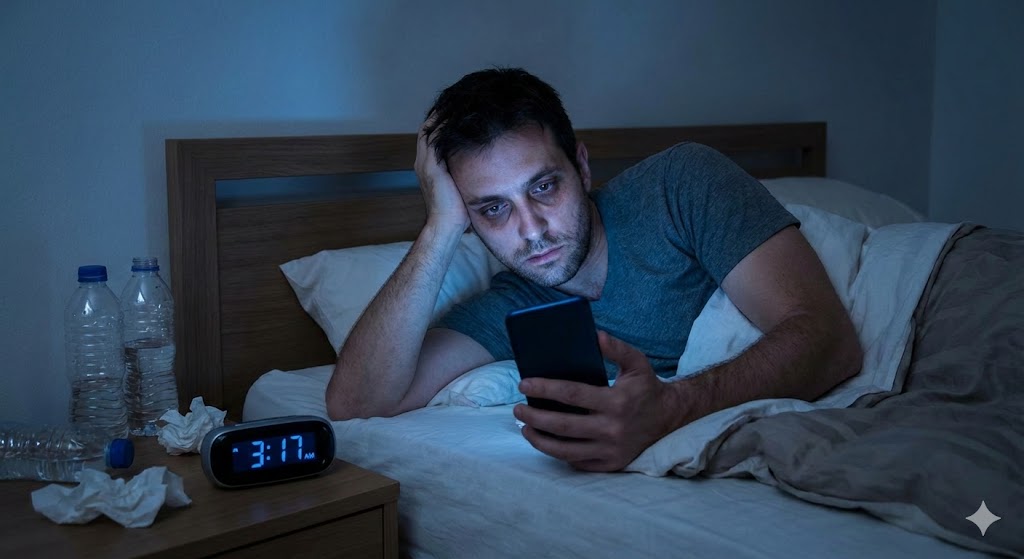
Late-night use disrupts sleep, which impairs cognitive function and mood. Many people report reduced motivation for other activities, social withdrawal and difficulty sustaining long-term relationships and life goals.
Work and academic impacts
Focus difficulties, procrastination, and increased distraction can affect productivity and performance at school or work, with obvious consequences.
How porn addiction impacts relationships?
Compulsive porn use affects partners and relationship dynamics in several ways.
Trust issues and secrecy
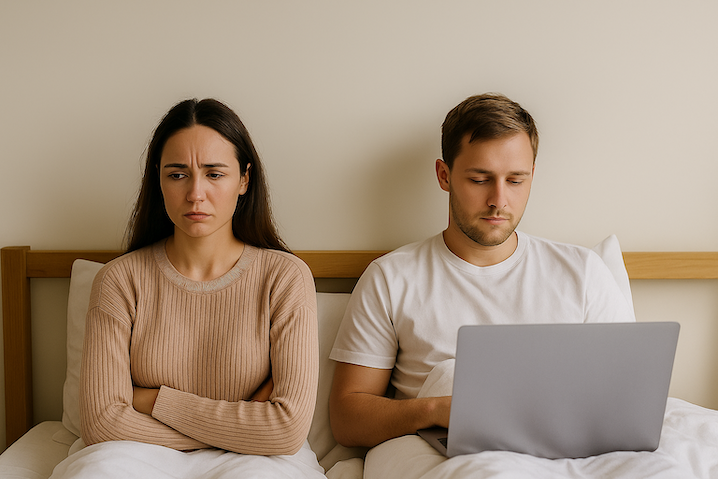
Although porn use isn’t considered cheating, hidden behavior damages trust. Even without physical infidelity, the discovery of secretive porn use can trigger strong feelings of betrayal, hurt, and diminished trust.
Unrealistic expectations and performance issues
Porn can create distorted expectations for body image, sexual behavior, and partner responsiveness. In some people, problematic use correlates with sexual performance difficulties (sometimes discussed as porn-induced erectile dysfunction), though the research is mixed and nuanced.
Communication breakdown and emotional distance
Shame and avoidance often keep partners from openly discussing their needs, expectations and boundaries. This makes it much more difficult to rebuild trust and repair the relationship.
Reconnection is possible
With transparent communication, therapy, and boundary changes, many couples rebuild intimacy and trust.
Read an in-depth look on porn’s impact on relationships
Myths about porn addiction
There are many misconceptions regarding porn use. These myths persist because porn use is highly private, generally socially normalized, and often framed as harmless entertainment. But, these misconceptions delay help. Here are several myths that prevent people from getting the support they need:
- “Porn use is harmless as long as I watch it by myself”
Privacy doesn’t prevent negative effects on mood, relationships, or everyday life.
- “There’s no such thing as porn addiction”
Although the clinical definition may vary, compulsive pornography use and its harmful impact are well documented in clinical literature.
- “Everyone watches porn, so it’s normal”
Just because a behavior is common does not mean it is harmless. Many people watch porn without suffering serious issues, but for others, frequent use leads to real distress, loss of control and negative effects on mental health and relationships.
- “My partner shouldn’t be upset – it’s not cheating”
Porn use may not be labeled as “cheating”, but it can still affect partners deeply. Hidden or excessive use can trigger hurt, disappointment, and a sense of disconnection.
- “I’m not addicted to porn, I can stop whenever I want it”
Being able to pause doesn’t mean a problem is fully resolved. The habits and triggers behind porn use can remain and may continue to affect behavior over time.
When porn addiction becomes a problem: when to seek professional treatment?
If any of these situations feel familiar, consider seeking professional help:
- Emotional distress – feeling anxious, guilty or depressed.
- Escalation – using porn more frequently, for longer periods, or seeking increasingly intense content despite attempts to cut back.
- Interference with daily responsibilities – difficulty focusing on work, school, or maintaining healthy relationships.
- Withdrawal-like symptoms – irritability, restlessness, low mood, or anxiety when trying to stop or reduce use. These responses reflect how the brain adapts to repeated stimulation and are not a sign of weakness.
- Legal or ethical risks – for example, as a result of accidental access to illegal content.
Recognizing these patterns early can make a real difference. Seeking guidance from a therapist, counselor, or structured online program can help you regain control and protect your well-being.
How to quit porn addiction?
Quitting porn addiction requires more than willpower. Most people who succeed, focus on more than just the behavior itself, also addressing the emotional and digital environment that supports the habit.
Start with awareness: Notice when porn use feels distressing, out of control, or harmful. Awareness helps shift the focus from shame to understanding without judgment.
Understand your triggers: Pay attention to the emotions (stress, boredom, loneliness) or situations (such as late-night scrolling) that make urges stronger.
Build healthier emotional and digital habits: Develop routines that help you regulate stress and mood in healthier ways. For example: take screen breaks, keep a regular sleep schedule or stay physically active.
Remove easy access to porn: Reducing constant availability makes change more manageable, especially during vulnerable moments.
Set clear digital boundaries: Use SafeSearch settings, app limits, and device controls to reduce exposure across platforms.
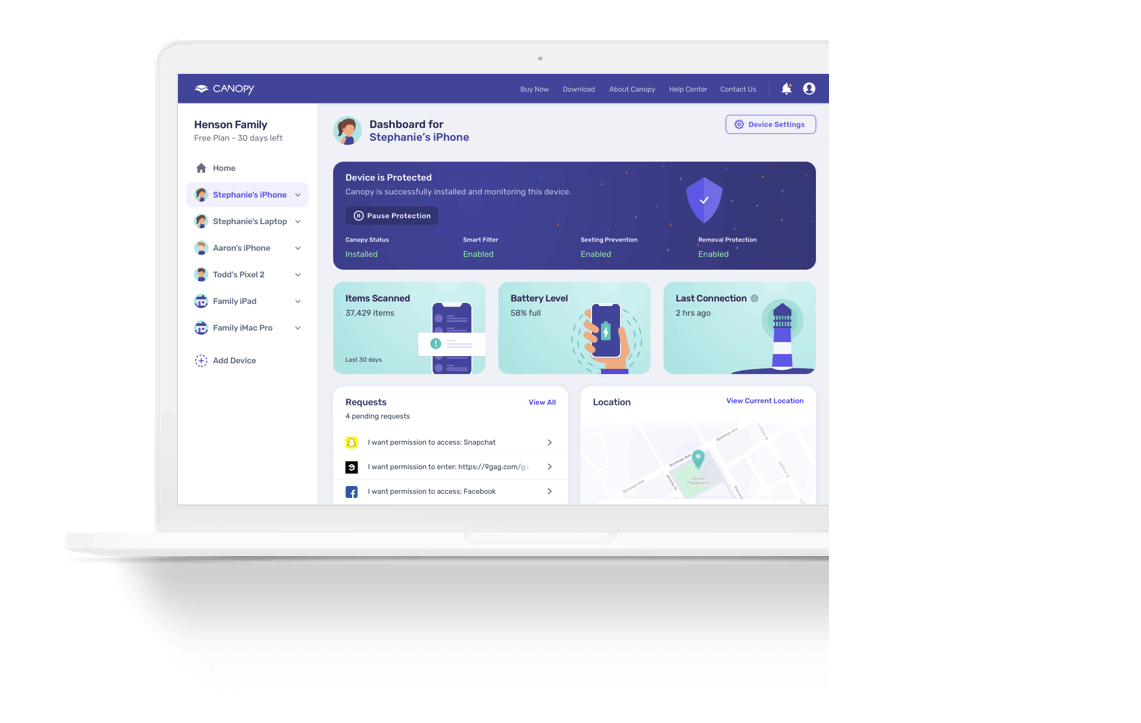
Use a porn blocker such as Canopy: Blocking explicit content at the device level helps remove temptation and creates space for new habits to form.
Replace porn with healthier activities. Exercise, journaling creative projects, social connection, can help provide relief and reward.
Seek emotional or professional support. Therapy, counseling or structured online programs can help you understand patterns, stay accountable and recover sustainably.
Long-term recovery from porn addiction: steps for lasting change
Recovery doesn’t end when porn use stops. Long-term healing focuses on rebuilding a balanced, fulfilling life.
Establish sustainable routines: Healthy daily habits such as regular sleep, social life and physical activity, support stability and reduce the risk of relapse.
Regain emotional balance: As the brain adapts, mood regulation, motivation, and stress tolerance gradually improve.
Repair and strengthen relationships: Trust, communication, and emotional intimacy can be rebuilt over time.
Restore natural reward sensitivity: With reduced exposure to intense stimulation, the brain’s reward system can recalibrate. Everyday pleasures become more rewarding, and urges for extreme content naturally decrease over time
Improve sleep, energy, and focus: Rebuilding healthy routines helps your body and mind recover. Over time, new habits (such as a consistent sleep schedule, screen breaks and physical activity) support better rest, higher energy levels and clearer focus.
Develop a healthier relationship with sexuality: Reducing compulsive porn use allows intimacy to feel more natural and emotionally connected. People often experience more realistic expectations, deeper intimate connections, and a more fulfilling sexual life overall.
Take the next step toward healthier digital habits
Reduce triggers, protect your progress, and get practical support while you work on long-term recovery.