Porn Relapse: Why It Happens and How to Get Back on Track Without Shame

Table of Contents
20%
off
For a safe, clean internet experience, try Canopy's AI-powered content filtering
Get 20% off using code
SAVE20

Key Takeaways

  • A porn relapse is a setback, not proof you failed. Treat it as data: what led up to it, and what needs to change.

  • Right after a relapse, focus on a fast reset: stop the shame spiral, remove access, and reach out to support or accountability.

  • The relapse cycle is often predictable: trigger → urge → rationalization → acting out → shame → isolation. Break it as early as possible.

  • Common triggers are not low willpower: stress, loneliness, boredom, fatigue, conflict, alcohol, and late-night phone use.

  • Prevention works best when you add friction plus replacements: stronger device guardrails (filters, blocks, bedtime rules) and a go-to coping action (walk, shower, journal, call).

  • Track progress by time between slips and how quickly you recover, not perfection. If it’s frequent or escalating, consider professional help and structured support.


Porn relapse
is such a common story. Usually, it starts sharply: you tell yourself you’re done with porn. You even make it real — three weeks, maybe longer. 

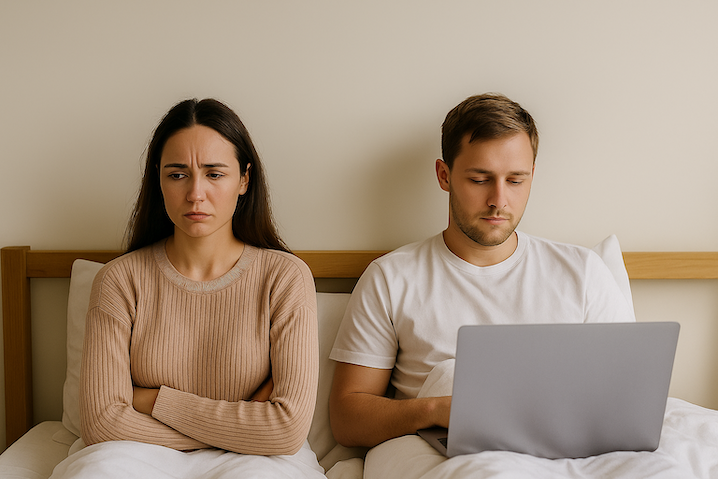
But then, something happens: a stressful day, a fight with your partner, or just lying alone in bed scrolling your phone. The idea to watch it again comes to your mind, and it doesn’t seem that dangerous. You’re sure you can do it: it’s just once, just to check how good your willpower is now. And… here you are, relapsed on porn again. And it feels awful.

But before you fall into shame and defeat, with a question, “Why do I keep going back to porn?” looping in your head, listen up: you’re not alone in this. You’re not crazy, weak, or regressing. Porn relapse makes complete psychological sense, and it actually marks a turning point, not a setback.

Let us show you what being relapsed on porn is, why it happens, and what exactly you can do to break the cycle.

What is Porn Relapse

Porn relapse is a systematic return to viewing pornography after a period of intentionally avoiding it. While you think of how to stop watching porn, relapse symbolizes a breakdown in recovery that often involves emotional triggers, neurological patterns, and environmental factors working together to pull you back into old habits. 

But notwithstanding its emotional load, relapsing on porn is NORMAL for recovery. In the PMC research, most people out of 104 respondents (especially those aged 18-29) reported relapsing or lapsing on porn at least once before successfully quitting it. The key is to keep the focus on your goals instead of treating relapse as proof of your failure. 

Porn Relapse vs. Lapse: What’s the Difference?

Let’s make it clear: if you’ve done just one slip, you’re not relapsing on porn — you’re lapsing:

  • A lapse is a single slip: One return to porn after a period of abstinence.
  • A relapse is a pattern: When you go from “I made a mistake” to “I’m back where I started.”

So, don’t be too harsh on yourself. How you respond to a lapse determines whether you experience a full porn relapse. If you’ve done just one slip, treat it as data, not something catastrophic. Remember the benefits of quitting porn, and you will get back on track after a lapse.

Why Porn Relapse Happens: Core Reasons

As we stated above, relapsing on porn involves the whole spectrum of factors: emotional, environmental, digital, and neurological. All of them prove that relapse is almost inevitable for your recovery, so you can meet it with confidence, not collapse.

Being Relapsed on Porn: What Happens Neurologically

When you decide on how to block porn, your mind always goes ahead of your body. This means that your brain’s reward system remains wired even after you decide to quit. 

The body memory is just stronger: every time you’ve used porn, your brain built and strengthened neural pathways connecting trigger → urge → behavior → reward. Think of is porn bad won’t break them all in one day.

This system is not that easy to break because:

  • The dopamine reward cycle is powerful. When you see sexual content, your brain releases dopamine in anticipation. That anticipation itself feels good, which is why you might click even when you don’t want to.
  • Old habits resurface because your brain defaults to well-worn paths. Autopilot takes over when you’re not in control mode, and it follows old routes, even when you consciously want something different.

All this doesn’t mean you’re hopeless. Thanks to neuroplasticity, your brain can rewire. But it takes time and consistent practice.

So, it’s OK that you will take steps back while building new neural pathways.

Why Do I Keep Going Back to Porn: Emotional Triggers

With something as heavily loaded with shame and anxiety as porn relapse, a systematic comeback to this bad habit is not about sexual desire or psychological malfunctioning. It’s about regulation — an emotional need to balance feelings without fully developed alternative tools for balancing. 

That said, you can track the exact triggers and reactions in your behavior:

  • Stress: After a hard day, a fight, or financial worry, your brain craves relief. Porn offers a quick escape.
  • Loneliness: If you’re isolated or feeling invisible, porn creates an illusion of intimacy — just enough to mimic the feeling without real connection to provide temporary comfort.
  • Boredom: With unstructured time and nothing engaging to do, old habits resurface. Your brain seeks stimulation, and porn fits perfectly. That is what porn does to your brain.
  • Anxiety: When you’re worried about life, relationships, or the future, porn offers a distraction.

Here is how the pattern becomes a circle:

Uncomfortable emotion → brain seeks relief → porn provides escape → temporary relief → shame follows → more uncomfortable emotion. 

Environmental Triggers of Porn Relapse

Where and when you are can dramatically increase the chances of relapse on porn. Your environment can trigger the emotions that drown you in this pattern:

  • Being alone: When no one can see what you’re doing, boredom and loneliness increase and rationalization becomes easier. 
  • Nighttime: You’re tired, willpower is depleted, and you’re often alone in bed with your phone. Darkness, exhaustion, and privacy create perfect conditions for relapsing on porn.
  • Unstructured time: Weekends without plans and evenings without commitments can be dangerous. If you have nothing to pull you forward, it’s easier to drift back.
  • Specific locations associated with porn: If you always used porn in bed or on your couch after everyone slept, those spaces can trigger the urge even when you’re not thinking about it.

Digital environments: Social media, advertisements, autoplay features, and notifications can trigger porn relapse as they are all saturated with sexualized content designed to grab attention. You’ll need the best porn blocker to detect it all online.

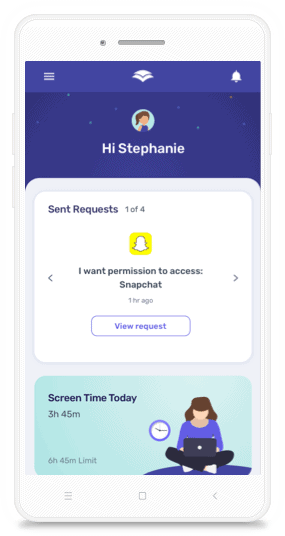
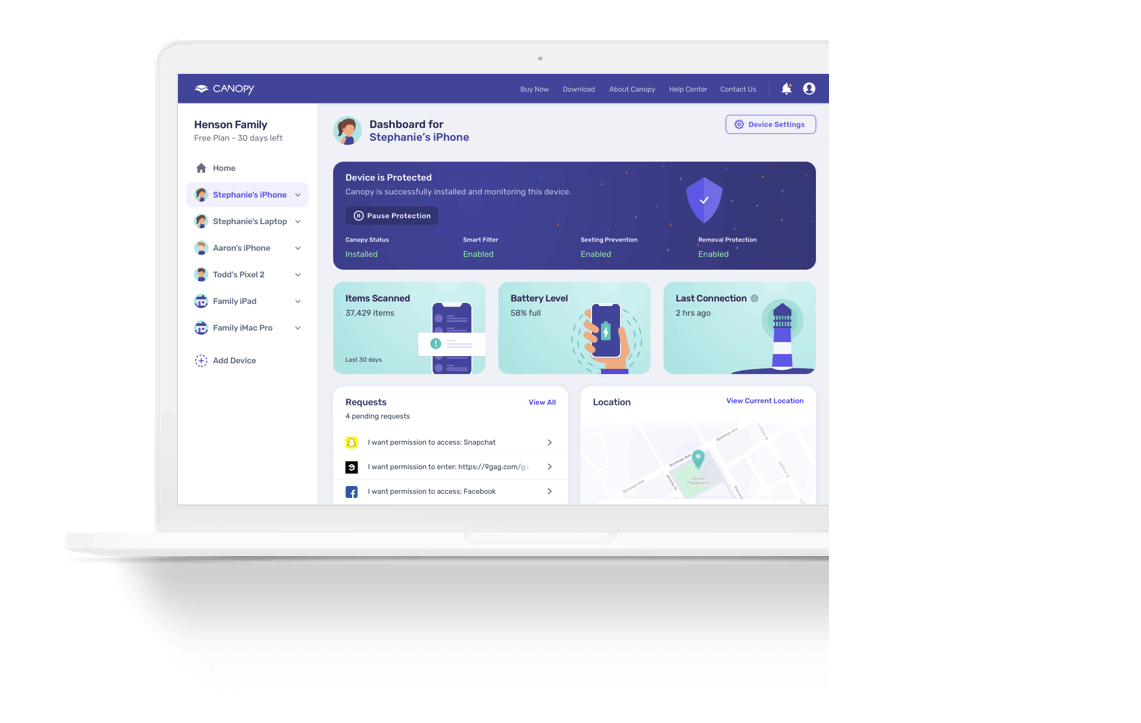
Filter your digital environment to prevent relapse Get back control! Install Canopy AI blocker so it will automatically detect and hide content that triggers porn relapse

What to Do After Porn Relapse? 7 Steps to Protect Your Peace

So, you cannot prevent relapse on porn — but you surely can prevent collapsing on it. You shouldn’t succeed from the first try; but you should keep coming back on track.

What separates those who eventually succeed from those who stay stuck isn’t avoiding relapse altogether; it’s knowing what to do after porn relapse to break the cycle permanently:

  1. Understand and break old cycles steadily: Porn relapses are predictable when you can clearly see their emotional and environmental triggers and keep looking for alternatives to porn to strengthen new neutral pathways.
  2. Have replacement behaviors ready: When an urge to relapse on porn hits, deploy an alternative immediately — physical exercise, call a friend, work on a hobby, read, play a game, cook, or take a cold shower. The goal is to interrupt automatic behavior and redirect energy.
  3. Recognize digital triggers before they hit: Most relapses start with accidental exposure — a sexualized thumbnail, Instagram post, or search suggestion. Social media algorithms push progressively provocative content designed to spike arousal. Understanding how to block porn sites on iPhone and how to block porn on Android can help.  
  4. Add friction with porn blockers: Tools like Canopy use AI to detect and block explicit content in real time — across social media feeds, search results, and ads — before it reaches your screen. Even seconds of delay between impulse and action can be enough for your rational brain to engage.
  5. Spot your early warning signals: Learn to recognize when you’re vulnerable — increased irritability, isolating from others, staying up late, mindless scrolling, or thoughts like “Maybe there is no porn on Pinterest.” When these appear, change your environment immediately to prevent porn relapse.
  6. Structure your schedule and device use: Try keeping yourself busy with new interests, and set a no-phone-in-bedroom-at-night rule. Device-free evenings after a certain time and screen time limits are also great tools for protecting your vulnerable hours. 
  7. Create accountability, not secrecy: Share your struggles with a close friend, mentor, therapist, or partner who checks in regularly. It’s key to keep practicing new pathways instead of trying to cope with everything alone.

When trying to deal with porn relapse, consider therapy seriously. Being an emotional regulation tool for stress, anxiety, loneliness, or trauma, relapses are deeply rooted in your feelings. In this regard, therapists can help you identify and process the underlying emotions driving your porn use and teach you healthier ways to cope with discomfort instead of numbing it.

Porn Relapse: How to Relieve Its Emotional Load

As the shame spiral is often more destructive than the slip and high-quality therapy takes time, here are some practical tools to relieve hard emotions that relapses trigger.

  • Understand that relapsing on porn is part of recovery. Porn relapse doesn’t erase your progress. The days or weeks you went without porn still count. Your brain still did rewiring work
  • Avoid shame spirals. Shame says, “I’m a bad person, it’s always my fault.” Guilt says, “I did something inconsistent with my values.” Don’t go there. Shame doesn’t motivate change — it fuels the cycle. Instead, acknowledge what happened without catastrophizing and focus on your next step.
  • Reflect on triggers and resume immediately. Write down what happened while memory is fresh: What were you feeling? Where were you? What time? What specific content triggered you? Look for patterns to plan better next time.

With porn relapse, never “reset to zero.” One of the most damaging beliefs is that a single lapse erases all progress. Remember: every day you didn’t use porn, your brain was changing. It’s just a stumble, not a reset.

How Canopy Helps Reduce the Risk of Relapsing on Porn

The Canopy AI porn blocker was built to address the digital triggers that lead to porn relapse directly:

  • AI real-time porn blocking: Unlike traditional blockers relying on lists of known websites, Canopy uses AI to analyze content in real time. It detects and blocks explicit material even in social media feeds, embedded videos, and search results.
  • Preventing “accidental exposure:” Canopy catches content before it reaches your screen. The sexualized Instagram post, provocative YouTube thumbnail, explicit ad on a news site — Canopy filters these out, reducing exposure to digital triggers throughout the day.
  • Reducing reinforcement loops of porn relapse: By blocking sexual content consistently, Canopy helps your brain break old associations to strengthen healthier patterns you’re working on.

Whether you’ve relapsed on porn once or many times, whether you’re starting recovery today or you’ve been at it for years, tools like Canopy can make the journey more manageable. You’re building a system, not just trying harder.

Start your free trial today and take a practical step toward understanding why you keep going back to porn — and what to do after porn relapse to break the cycle for good.

20%
off
for getting rid of porn relapse today! Secure your Internet. Use code SAVE20

Porn Relapse FAQs

Relapse on porn happens in seconds on your phone, and this ease of access can feel involuntary. In contrast to substance that needs to be found, relapsing on porn can start by seeing a sexualized thumbnail and clicking before making a conscious decision. Due to the lack of physical evidence, being relapsed on porn is easier to hide, which feeds the secrecy and shame cycles.

You need to add multiple defense layers between “trigger” and “urge” in the trigger → urge → rationalization → behavior → shame → reset porn relapse cycle. Consider porn blockers like Canopy to reduce accidental exposure, structured device routines, replacement behaviors, therapy to process underlying emotions, and accountability to break secrecy.

The key is to avoid shame and punishment, as both drive secrecy of porn relapse. Try to respond with appreciation (“Thank you for telling me”), empathy (“Many struggle with this”), and curiosity (“What triggered this?”). Work together on solutions so your teen knows coming to you about relapsing on porn makes things better, not worse.

Understand that relapsing on porn is part of recovery; it doesn’t erase progress. Before acting, reduce shame by acknowledging what happened: “I relapsed on porn, but now I’ll get back on track.”. Then, you can start acting on your “what to do after a porn relapse” list: reflect on what triggered the porn relapse to spot patterns, resume your recovery plan immediately, and treat the lapse as learning, not resetting to zero.

Ready to get started?

We built Canopy to empower families to enjoy a safer digital experience.

Discover Canopy!

parental control app management - phone
Mackbook parental control app management

Ready to get started?

We built Canopy to empower families to enjoy a safer digital experience.

You’re not in this alone.

Get helpful tips, stories, and resources from our network.

You’re not in this alone.

Get helpful tips, stories, and resources from our network.